5 Ways Timely Water Restoration Prevents Mold After a Leak
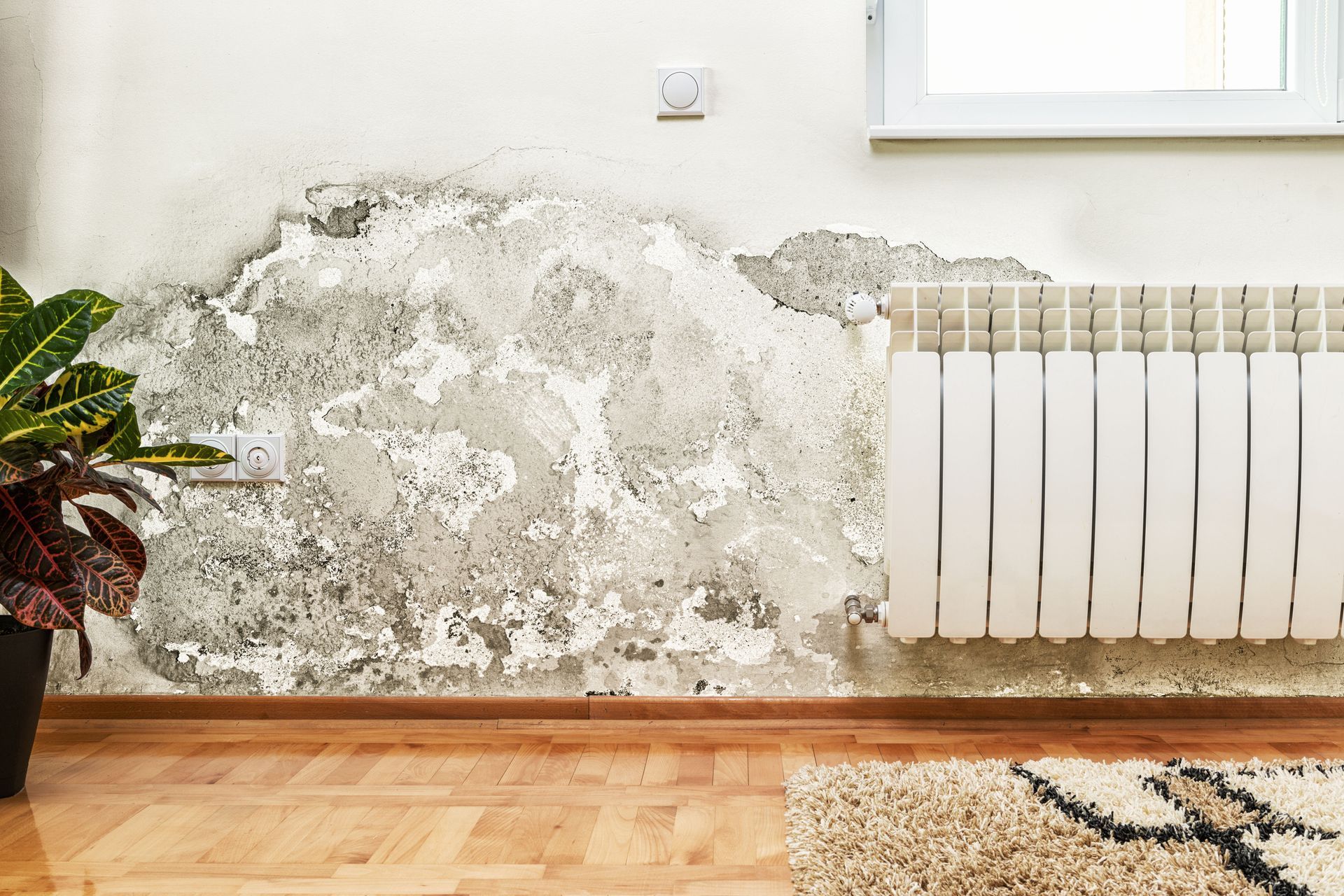
Water leaks can be an insidious problem in both residential and commercial properties, often going unnoticed until significant damage has occurred. One of the primary concerns when dealing with water leaks is the potential for mold growth, which can pose health risks and damage property. Timely water restoration services are crucial to mitigating these risks, as it rapidly addresses the moisture problem before it can escalate. Here, we'll explore various strategies of timely water restoration services that ensure mold is kept at bay after a leak.
1. Immediate Moisture Removal
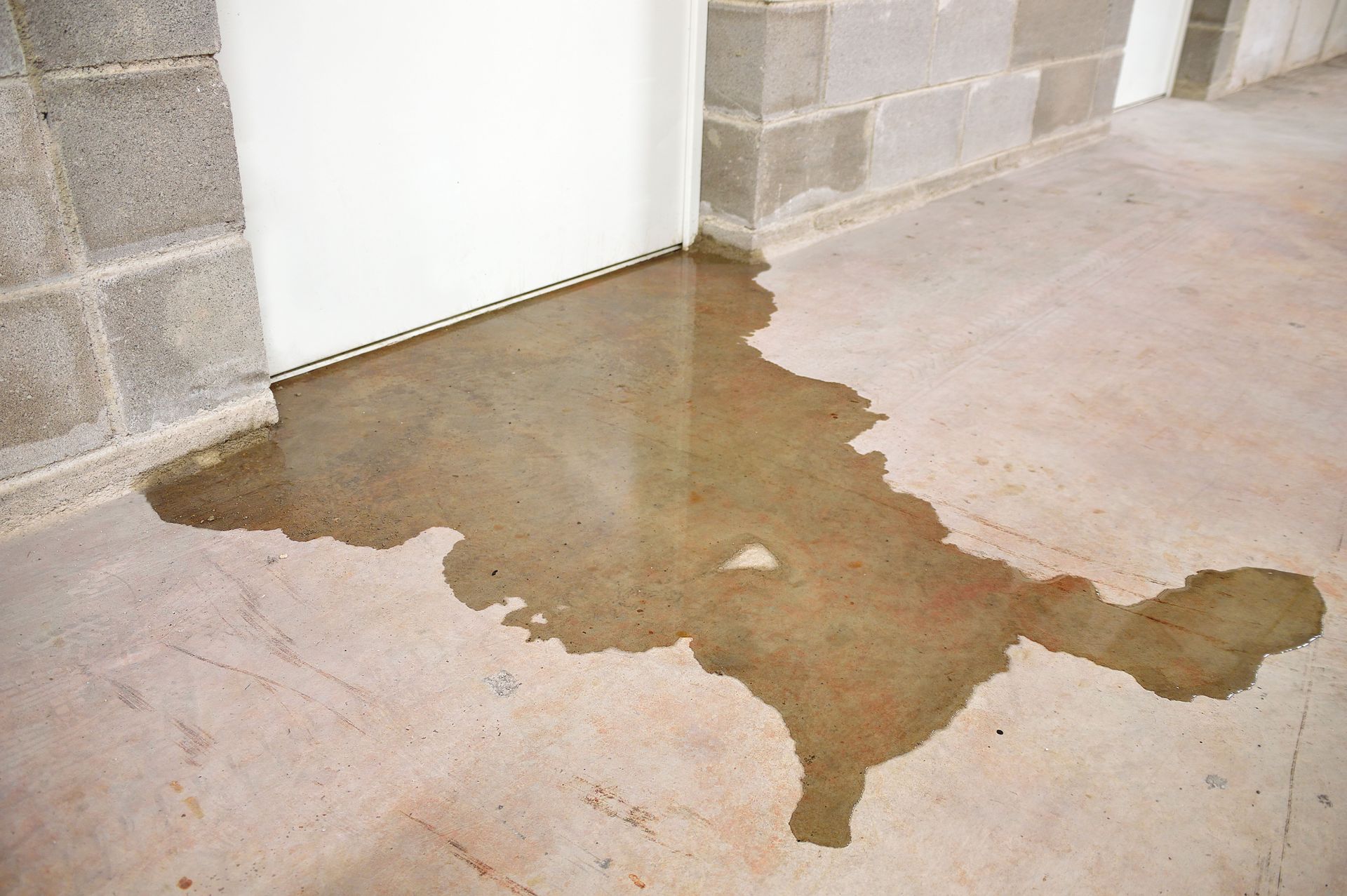
Immediate moisture removal is the cornerstone of effective water restoration services. The first step in this process is swift water extraction, which involves the removal of standing water using professional-grade pumps and vacuums. This step is essential as it prevents water from seeping into porous materials such as wood and drywall, which can serve as a breeding ground for mold. Once the standing water is removed, industrial-grade dehumidifiers are employed to reduce humidity levels. According to Home Gnome, indoor moisture levels need to stay below 60%, with the ideal range being 30% to 50% to prevent mold growth.
Following water extraction, rapid fan deployment plays a critical role in moisture removal. High-powered fans increase airflow, facilitating the evaporation of water from surfaces and materials. This is especially important in spaces with limited ventilation, as still air can slow the drying process. Continuous monitoring of humidity levels is vital during this phase to ensure that the environment remains within a safe range. By implementing effective drying protocols, restoration experts can significantly minimize the risk of mold development.
Effective drying protocols are a multi-step approach that tailors the drying process to the specific needs of the affected area. Restoration professionals assess the extent of water damage and customize the drying strategy accordingly. This may include repositioning fans, adjusting dehumidifier settings, and targeting specific high-risk areas. The goal is to achieve complete dryness in the shortest possible time, preventing mold spores from taking root. Through these combined efforts, immediate moisture removal sets the foundation for successful mold prevention.
2. Assessment and Identification
Assessment and identification are crucial in understanding the extent of water damage and potential mold risks. This begins with a comprehensive leak inspection to determine the source and spread of water intrusion. During this inspection, restoration professionals look for visible signs of damage, such as water stains, dampness, and unusual odors. However, not all damage is visible to the naked eye, necessitating the use of advanced detection technology. Tools such as moisture meters and thermal imaging cameras help identify hidden water damage that could lead to future mold problems.
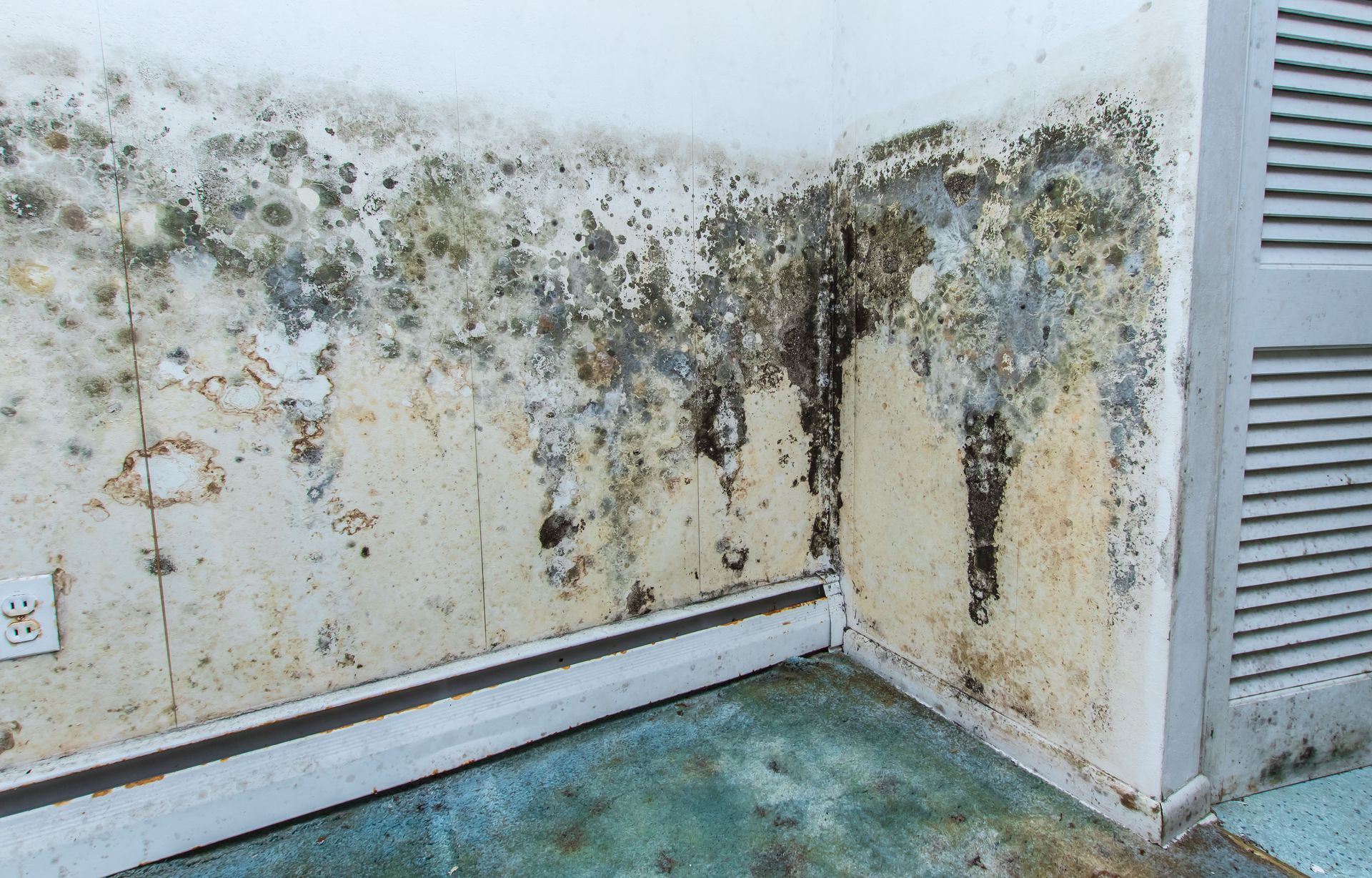
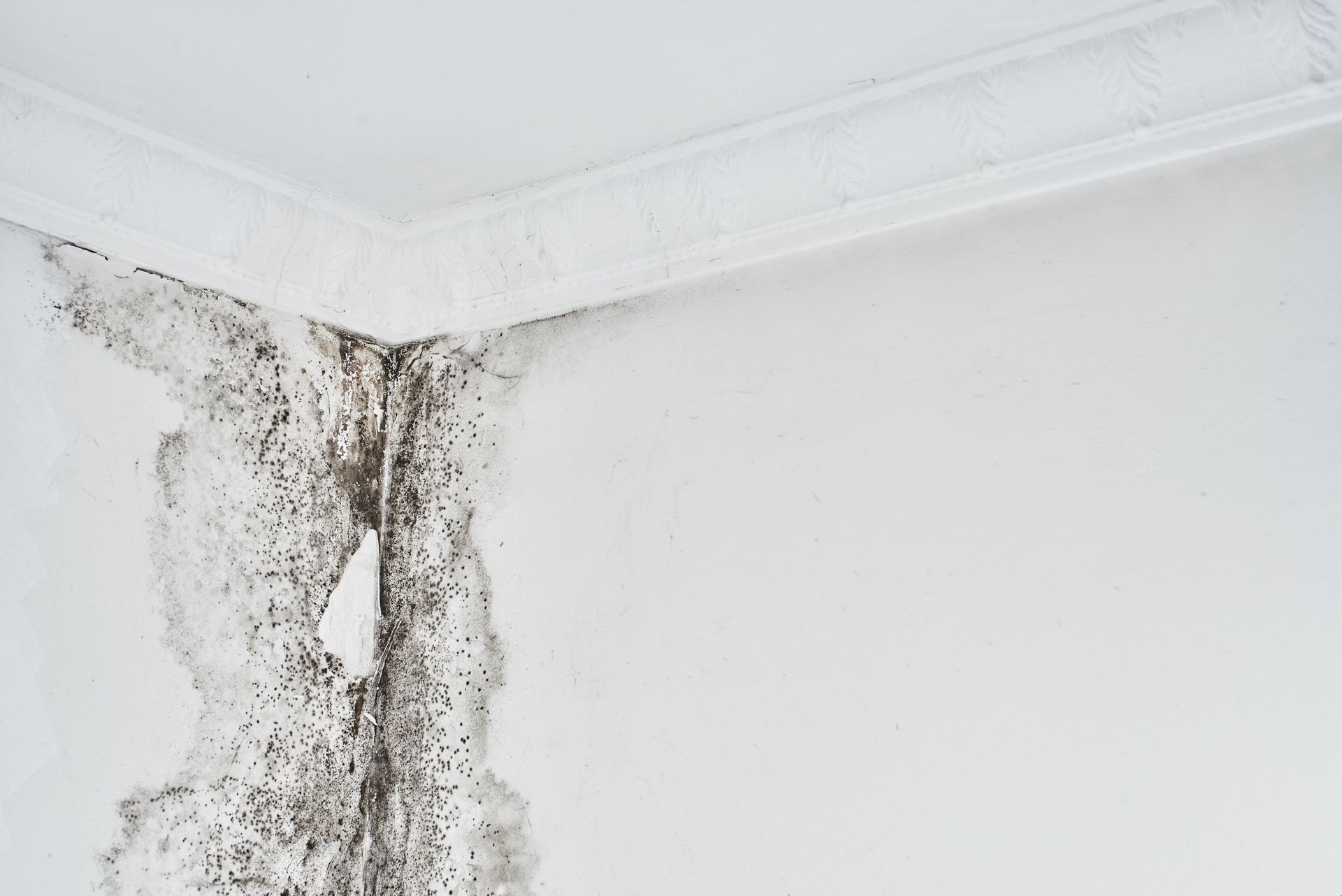
Identifying hidden water damage is imperative in preventing mold growth. Moisture can often seep into concealed areas, such as behind walls, under flooring, and within insulation, where it remains undetected. This creates ideal conditions for mold to flourish, especially in spaces that retain warmth and lack ventilation. To address this, restoration experts prioritize high-risk areas during the assessment, focusing on places most susceptible to water retention. By proactively seeking out these hidden threats, the threat of mold can be significantly diminished.
Regular reevaluation during the restoration process is a proactive approach to managing water damage and its consequences. As restoration efforts progress, ongoing inspections are necessary to reassess the condition of affected areas. This ensures that no new damage has occurred and that the remediation efforts are effective. Regular reevaluation also provides an opportunity to adjust strategies as needed, ensuring that restoration efforts remain on track. Through thorough assessment and identification, restoration efforts can be targeted to effectively prevent mold growth.
3. Prevention of Secondary Damage
Preventing secondary damage is a critical aspect of water restoration services, safeguarding the structural integrity of a property. Water intrusion, if left unaddressed, can weaken building materials, leading to structural instabilities. Swift restoration efforts aim to protect load-bearing elements and prevent shifts or collapses that might otherwise occur. In addition to structural concerns, there is also the risk of electrical hazards. Water and electricity create a dangerous combination, and timely intervention is essential to ensure electrical systems remain safe and operational.
Mold-resistant barriers are an effective strategy in preventing secondary damage related to mold growth. These barriers are often applied to surfaces that are prone to moisture exposure, creating a protective layer that inhibits mold development. They are particularly useful in areas like basements and bathrooms, where humidity levels can naturally be higher. By reinforcing these spaces with mold-resistant solutions, property owners can minimize the risk of future infestations. Furthermore, timely water restoration offers financial protection through insurance and mitigates potential legal liabilities.
The preservation of property value is another significant benefit of preventing secondary damage. Mold infestations and structural damage can drastically reduce a property's market worth, affecting resale potential. Restoration efforts not only address immediate concerns but also contribute to long-term property maintenance. By maintaining a mold-free, structurally sound environment, property owners ensure their investment remains valuable. Preventing secondary damage is thus an essential component of comprehensive water restoration efforts.
4. Mold Prevention Protocols
Mold prevention protocols are a set of best practices aimed at inhibiting mold growth post-leak. The first step is an immediate mold assessment conducted once initial water extraction is complete. This assessment helps determine if any mold spores have begun to develop and informs subsequent intervention strategies. Applying anti-microbial treatments to affected areas is another key component of mold prevention. These treatments kill existing spores and create an environmental barrier against future mold development, crucial for ensuring a safe living space.
Air quality management plays a crucial role in mold prevention by maintaining a healthy indoor climate. The presence of mold spores can severely affect air quality, potentially leading to respiratory issues and allergies. Restoration experts develop air management strategies that include mechanical ventilation systems and air purifiers to maintain cleanliness. Educating homeowners on mold risks and prevention strategies is also vital. Providing them with the knowledge to recognize early signs of mold can facilitate faster intervention and long-term prevention.
Coordination with mold remediation experts is another crucial aspect of mold prevention protocols. This collaboration ensures that specialized expertise is applied to thoroughly eliminate mold risks. Experts provide comprehensive evaluations and recommend the best practices tailored to specific scenarios. Their involvement not only addresses existing mold issues but also provides assurance against future outbreaks. With targeted mold prevention protocols in place, property owners can be confident in the ongoing health and safety of their environment.
5. Continuous Monitoring and Maintenance
Continuous monitoring and maintenance are proactive approaches to preventing water damage. Scheduled water leak checks form the foundation of this strategy, allowing early detection of potential issues before they escalate. Regular inspections help identify changes in moisture levels and structural integrity, prompting timely interventions. The implementation of smart monitoring devices further enhances this process, employing technology to provide real-time data on a property's condition. These devices offer alerts and analytics that facilitate informed decisions for ongoing water damage prevention.
HVAC system maintenance is integral to continuous monitoring and preservation efforts. Heating, Ventilation, and Air Conditioning systems play a key role in regulating indoor moisture levels. Regular upkeep ensures these systems operate efficiently, maintaining an environment unsuitable for mold growth. Ongoing dehumidification practices, supplementary to HVAC efforts, support optimal indoor conditions. By using portable dehumidifiers in critical areas, property owners can effectively control moisture levels year-round, creating an inhospitable environment for mold spores.
Timely
water restoration services are essential in preventing mold development and safeguarding property integrity. Through strategies such as immediate moisture removal, comprehensive assessments, and continuous monitoring, water damage can be effectively managed. These efforts not only address immediate concerns but also provide long-term protection against mold spores. Educating and empowering property owners further enhances these efforts, fostering a proactive approach to water damage prevention. Together, these measures help preserve the value of properties while ensuring a healthy living environment for all occupants. For professional water restoration services you can count on, contact Premier PCS Water Restoration today.
Share On: