Water Damage Restoration: A Key Service for Today’s Most Common Home Claims
In today’s homes, water damage stands out as one of the most frequent reasons for insurance claims. Whether resulting from natural disasters, broken pipes, or appliance malfunctions, the need for efficient water damage restoration services is more crucial than ever. This article explores the intricacies of water damage restoration, highlighting its importance, methods, and impact on homeowners and the industry.
The Basics of Water Damage
Water damage can occur from a variety of sources, making it a complex issue for homeowners. Common causes include natural disasters like floods and hurricanes, which can introduce substantial amounts of water into homes. Internal issues like leaking pipes, cracked foundations, and malfunctioning appliances contribute significantly to potential water damage. Additionally, neglected repairs or failed waterproofing measures can allow water to penetrate homes over time. Understanding these causes is crucial for implementing preventive measures effectively.
According to the Insurance Information Institute, between 2019 and 2023, only wind and hail accounted for more insurance claims than water damage and freezing, which, despite their frequency, affected 1.5 percent of insured homes. This statistic underscores the pervasive nature of water-related claims, necessitating a robust understanding of its various causes. With the right information, homeowners can better anticipate and mitigate potential threats. Awareness of these causative factors is essential in reducing the frequency and severity of future claims.
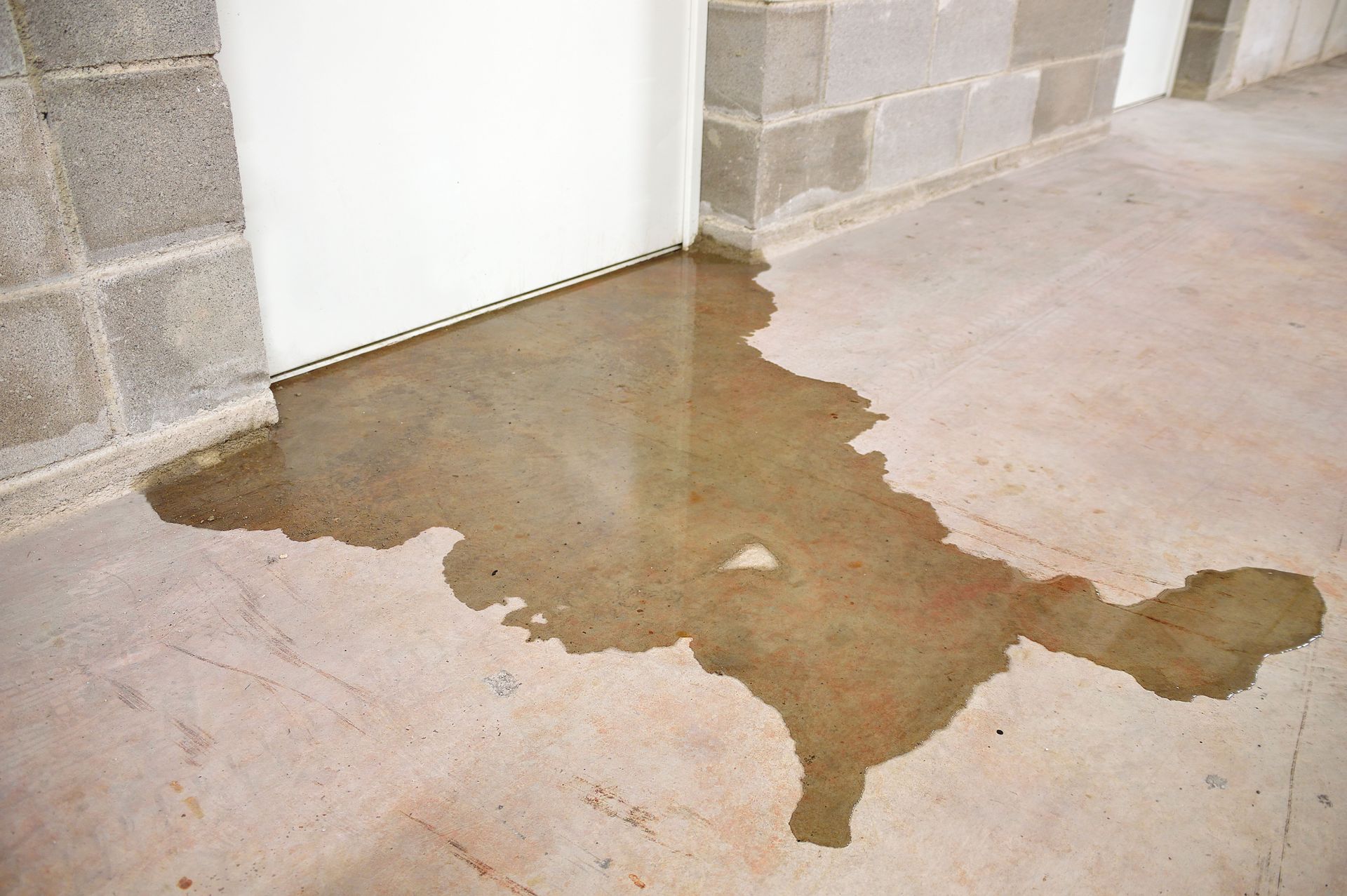
Water damage is categorized based on the level of contamination present in the water. Category 1, or "clean water," originates from sanitary sources such as faucets or water supply lines, posing low risk to humans. Category 2, or "gray water," has contaminants like detergents, which might cause discomfort or illness on exposure. Category 3, or "black water," is grossly unsanitary, often containing pathogens or toxic agents from sources like sewage and flooding. Each category requires specific handling and mitigation strategies.
In addition to categories, water damage is also classified by the extent and rate of evaporation required for drying. Class 1 is the least severe and affects only a part of a room with minimal water absorption. Class 2 involves a large amount of water, affecting entire rooms with materials absorbing moisture. Class 3 damage involves the highest rate of evaporation and saturates many materials in a property. Lastly, Class 4 relates to specialty drying situations such as wet insulation and requires careful adjustment in drying techniques.
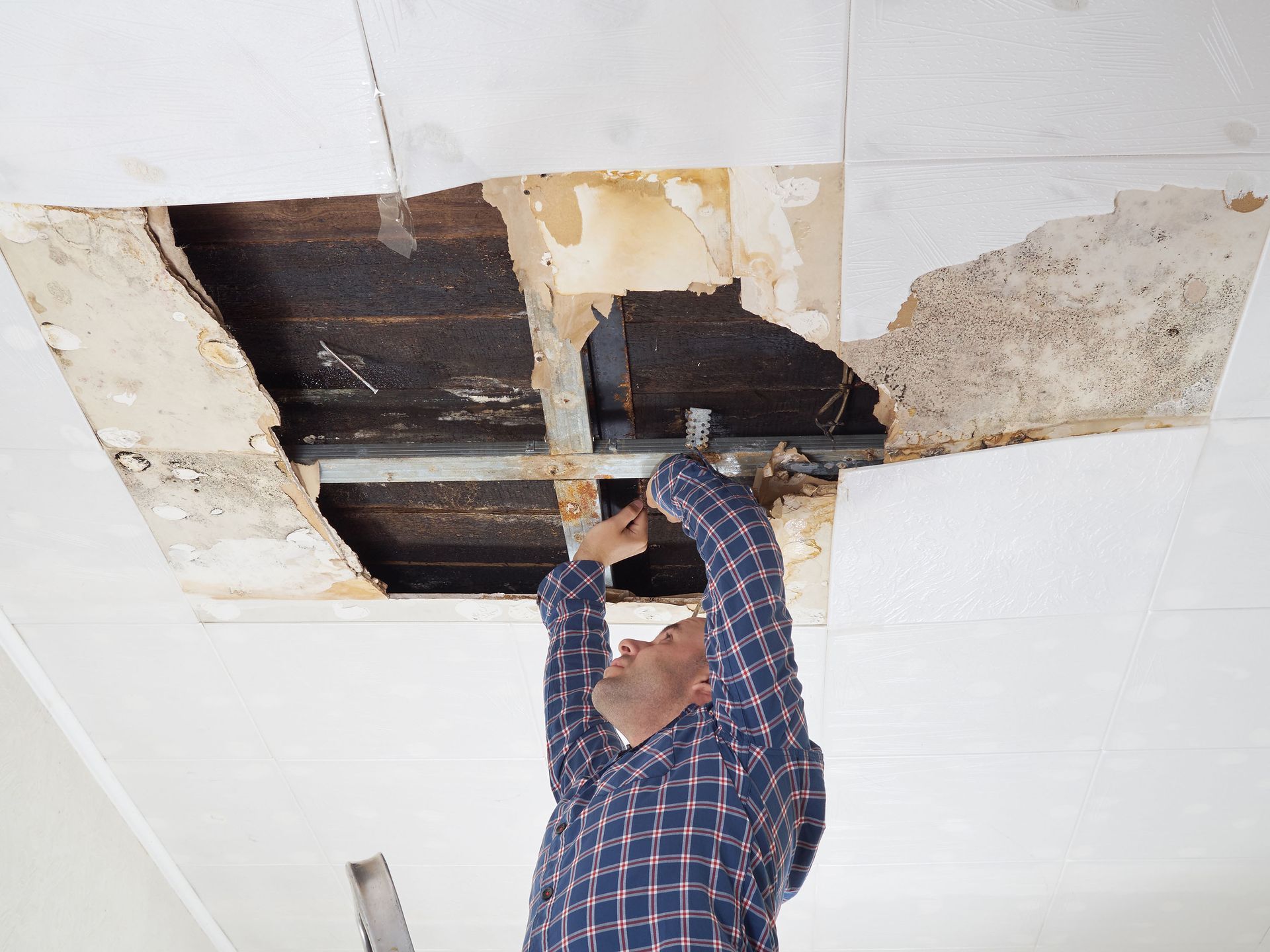
The immediate impacts of water damage can be both obvious and subtle, ranging from visible stains to structural degradation. Initially, affected areas may exhibit dampness, swelling, and discoloration. More severe instances may see flooring and walls succumb to water pressure, leading to foundational issues. Acting quickly is critical to mitigating these immediate damages, which can escalate rapidly if not addressed. Early intervention can prevent further structural compromise and costly repairs.
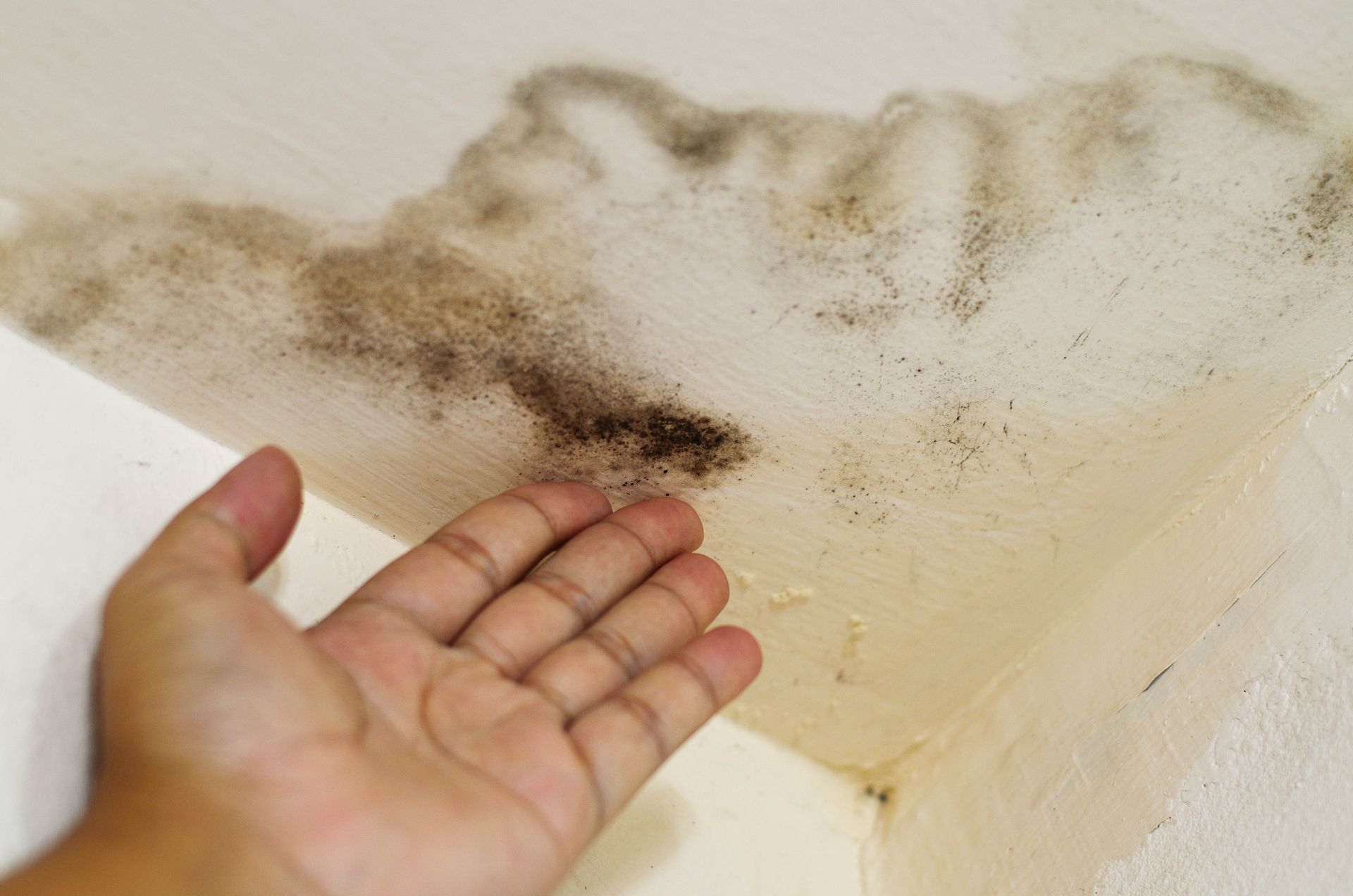
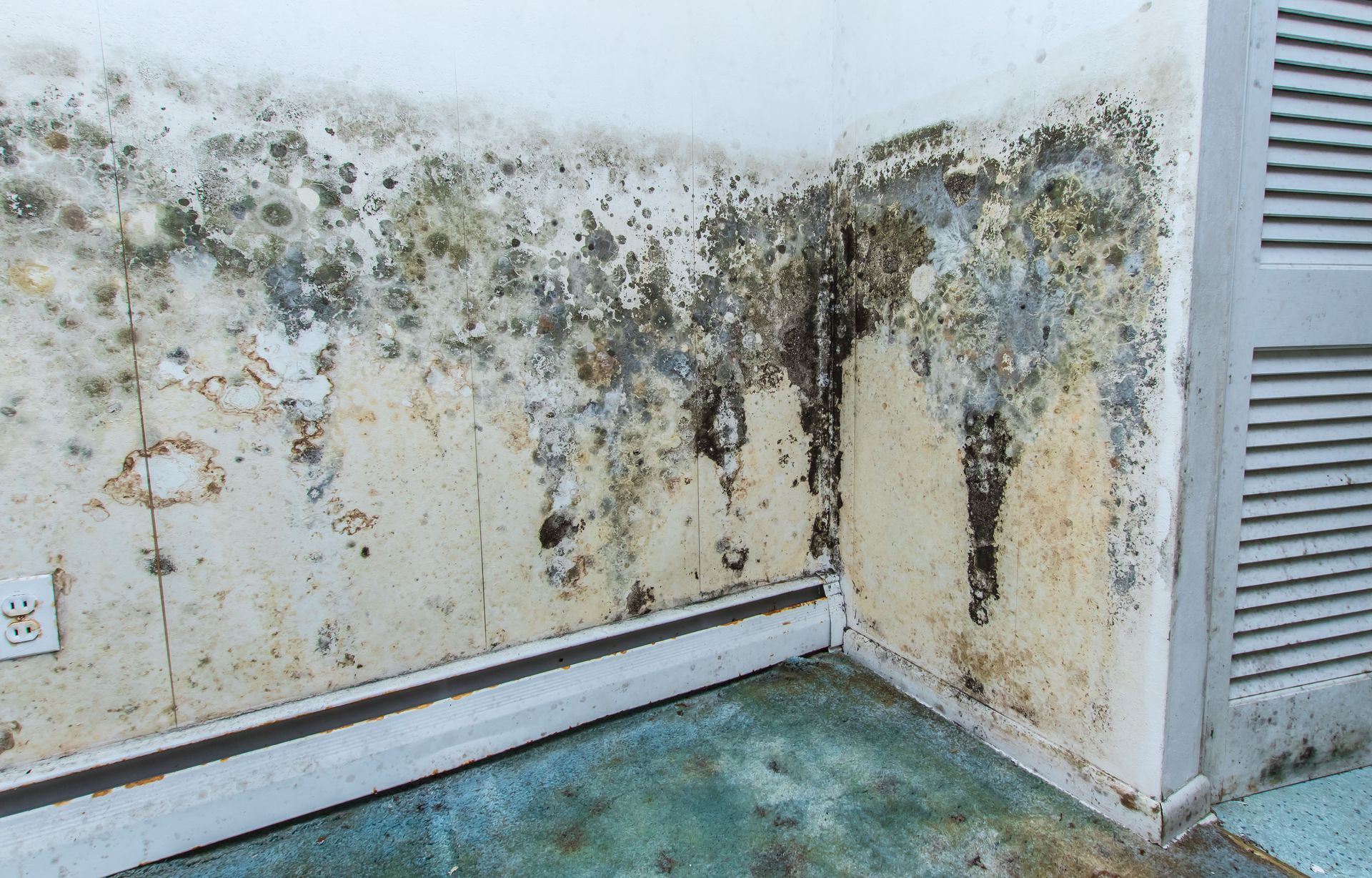
Long-term impacts of water damage pose even greater challenges, particularly if initial signs are ignored or mishandled. Persistent dampness can create ideal conditions for mold growth, which poses health risks and further damages property. Moreover, continual exposure to moisture can degrade building materials over time, weakening structural integrity. Electrical systems may also suffer from corrosion or short-circuiting, elevating the risk of fire accidents. Addressing water damage promptly is essential to avoid these long-term consequences.
The Water Damage Restoration Process
The water damage restoration process begins with a thorough assessment and inspection to gauge the severity and spread of the damage. Professionals use both visual inspections and advanced equipment, like moisture meters, to identify affected areas. This comprehensive assessment enables restorers to create tailored plans that address specific damage types and sources. Conducting this initial evaluation expedites the overall restoration process by strategically targeting key areas. Ensuring accuracy at this stage sets the foundation for effective remediation.
An essential component of this evaluation is determining the water damage category and class. This classification provides insight into the specific approach required for successful restoration. Moreover, the assessment phase includes testing for potential secondary consequences, such as mold growth, which often accompanies water damage. All findings are documented meticulously to assist with insurance claims and further strategy planning. Accurate documentation ensures a streamlined restoration and recovery experience for both homeowners and professionals.
The water removal and extraction phase is critical in halting further damage and setting the groundwork for effective restoration. Powerful pumps and equipment are employed to quickly remove standing water from affected areas, preventing further seepage. Using industrial-grade vacuums and extractors, professionals remove large volumes of water efficiently. Quick action is essential to minimize water saturation, reducing the chances of mold and secondary damage. Timely extraction also helps preserve as much of the structure and belongings as possible.
This stage often requires specialized methods depending on the extent and nature of the water damage. When encountering Category 3 damage, additional safety measures are taken to protect workers and occupants from hazardous contaminants. Sanitizing solutions may be applied concurrently with extraction efforts to ensure any pathogenic threats are effectively neutralized. Customized approaches for water extraction align with the specific challenges posed by each unique scenario. This customization is key to achieving successful restoration outcomes.
Following water extraction, the emphasis shifts to drying and dehumidification, crucial phases in the restoration process. Industrial-grade air movers, fans, and dehumidifiers are employed to hasten drying, leveraging airflow to eliminate moisture. Specialized equipment, like desiccant dehumidifiers, is particularly useful in areas with low temperatures or unique moisture absorption needs. Maintaining optimal drying conditions is vital to prevent secondary damage, including structural weakening and mold proliferation. Effective moisture control is central to comprehensive restoration.
Tools and Technology in Water Damage Restoration
Accurate identification of moisture presence is pivotal in effective water damage restoration, necessitating the use of sophisticated water detection equipment. Moisture meters, which range from pin-type to pinless models, enable professionals to measure moisture content in materials such as wood and drywall. These instruments provide instant readings, allowing rapid assessment and decision-making during restoration. Technological advancements have enhanced meter accuracy and data recording, empowering restorers to better pinpoint problem areas. Precision in detection ensures comprehensive and targeted remediation efforts.
Another pivotal tool in water detection is thermal imaging cameras, which visualize temperatures and moisture patterns not visible to the naked eye. These cameras detect variances in surface temperatures, highlighting areas where water may be sequestered within walls or under floors. The non-invasive nature of thermal imaging enhances inspection efficiency without further damaging property structures. This capability is particularly useful in identifying hidden water sources and preventing unwarranted structural disruption. Thermal imaging supports swift intervention, limiting secondary damage and reducing costs.
Industrial air movers and dehumidifiers play an instrumental role in the drying phase of water damage restoration. These tools accelerate evaporation and dry out the environment by introducing continuous airflow and moisture reduction. Air movers are designed to direct high volumes of air across surfaces, expelling moisture into the atmosphere, where dehumidifiers then capture and remove the moisture. The combined use of these technologies speeds up drying and reduces the possibility of microbial growth. Effective moisture management is central to immediate recovery and long-term health of restored properties.
Professional-grade dehumidifiers, capable of extracting significant volumes of water vapor from the air, contribute to suitable humidity levels within spaces. Adjustable fan speeds and digital control systems offer customization to meet specific drying needs and environmental conditions. Equipped with energy-efficient operations, modern dehumidifiers maximize drying while minimizing energy consumption, balancing efficiency with environmental sustainability. Proper application of air movers and dehumidifiers ensures expedited restoration without compromising on thoroughness. Synergistic drying strategies enhance restoration precision.
Water damage is a complex and pervasive threat to modern homes, requiring more than just a quick cleanup. As highlighted, the transition from a minor leak to structural compromise or health hazards can happen rapidly, making professional restoration—and its specialized categories and classes—indispensable. By leveraging advanced technology like thermal imaging and industrial-grade dehumidification, homeowners can mitigate long-term risks such as mold and electrical failure. Ultimately, while natural disasters and mechanical failures may be unpredictable, a combination of proactive maintenance and swift, informed intervention remains the best defense for preserving a property’s integrity and value. For professional
water damage restoration, contact Premier PCS Water Restoration today.
Share On: